Gingivitis (“inflammation of the gum tissue”) describes the early, non-destructive stage of gum disease. NICE describes early gum disease as gingivitis, where the gums become inflamed, swollen and may bleed when brushed.
The most common form of gingivitis is plaque-induced gingivitis, which occurs in response to bacterial plaque on tooth surfaces. The NHS confirms that plaque build-up is the main cause of gum disease.
Without treatment, gingivitis may progress to periodontitis, a destructive form of periodontal disease. NICE states that untreated gingivitis can develop into periodontitis.
While gingivitis does not always progress to periodontitis, periodontitis develops following inflammation of the gums and supporting tissues.
Symptoms of gingivitis can include swollen gums, bright red or darker gums, tenderness, and bleeding. The NHS lists bleeding swollen gums among the main signs of gum disease.
Periodontitis is a set of inflammatory diseases affecting the periodontium, the tissues that surround and support the teeth. Periodontitis involves progressive loss of the bone supporting the teeth and, if left untreated, can lead to loosening and eventual tooth loss. NICE confirms that untreated periodontitis may cause supporting bone loss.
Periodontitis is associated with bacteria in dental plaque and the body’s inflammatory response to them. Good plaque control is therefore an important part of prevention and treatment.
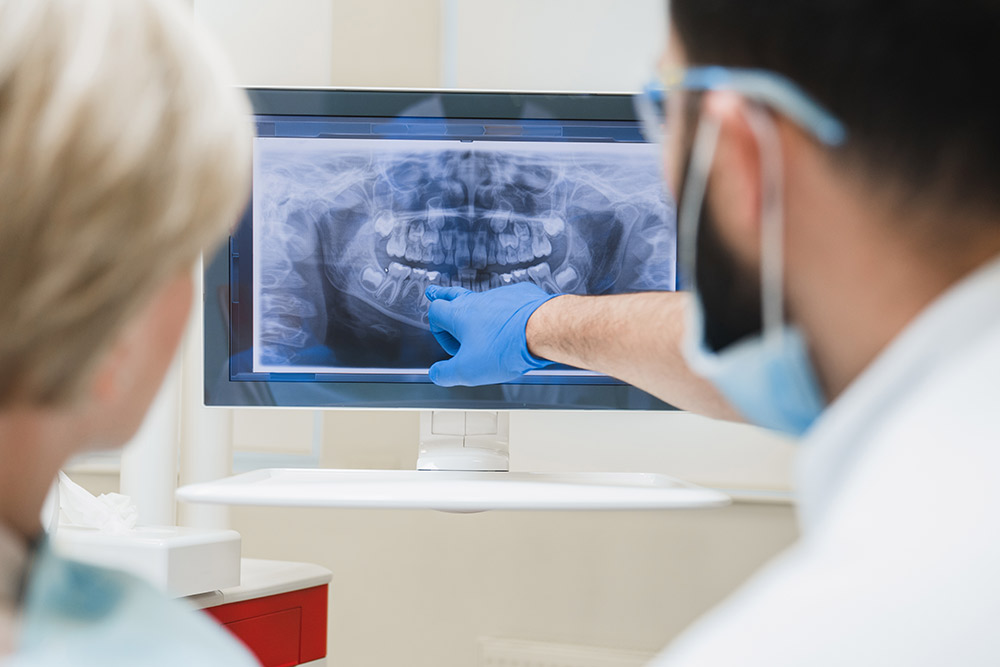
A diagnosis of periodontitis is established by inspecting the soft gum tissues around the teeth with a periodontal probe and, where required, evaluating dental X-rays to determine the extent of bone loss.
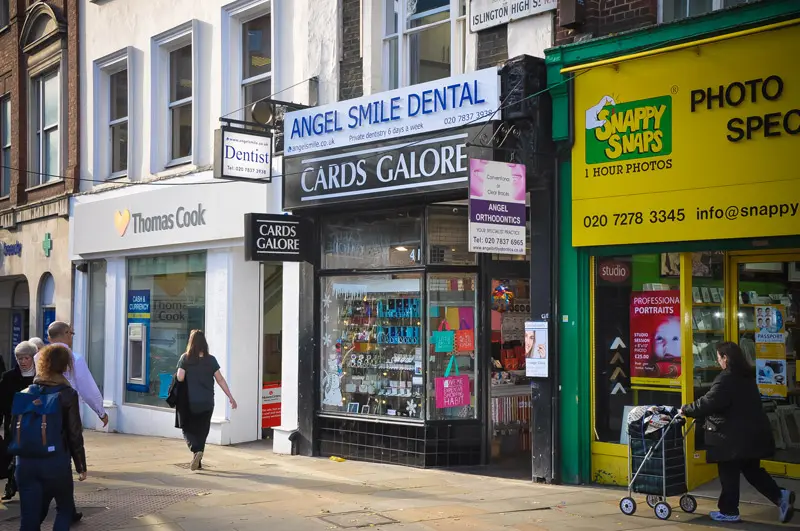
If you have bleeding, swollen or receding gums, Angel Smile in Islington offers gum disease treatment, including assessment and non-surgical periodontal treatment where appropriate.
Regular hygiene appointments can also help remove plaque and tartar and support long-term gum health.
If you are concerned about your gums, you can arrange a dental examination so your teeth, gums and bone support can be assessed.
You can also explore our general dental services for further preventative and restorative care.
We care about the protection of your data. Read our Privacy Policy.
Getting to Us
By Tube: Angel Underground station (Northern Line)
By Rail: Essex Road station is a 10-minute walk
By Bus: Routes include 30, 38, 43, 56 and 205
Web design by EyeMedia Creative | Dental Marketing by Vanilla Circus | Patients visit Angel Smile from all over London, including Angel-Islington, Hampstead, Belsize Park, Highgate, Bank, and King's Cross.