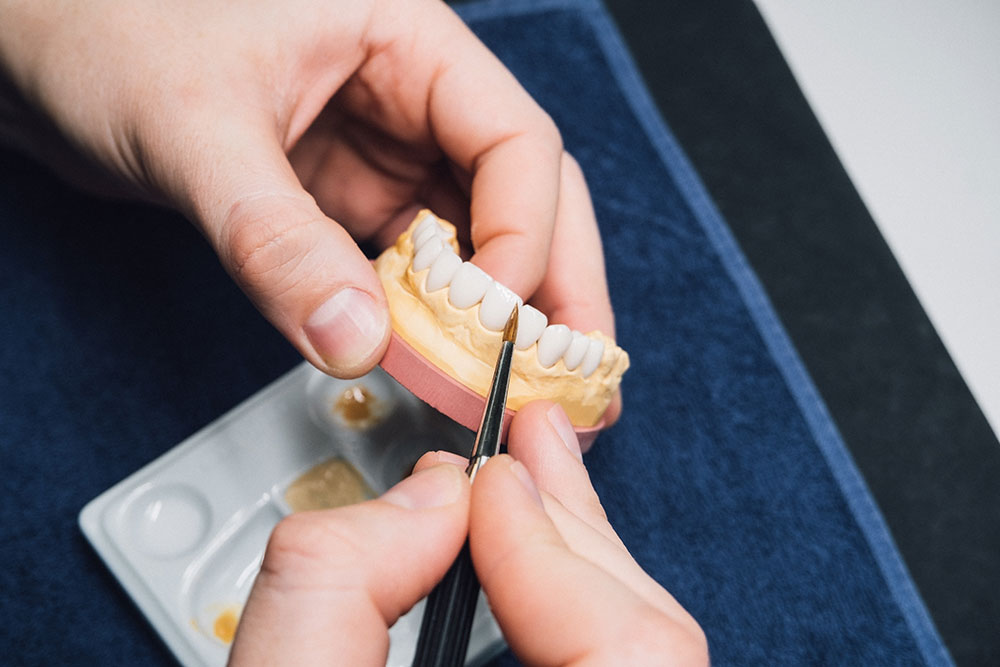
A bridge is one option for replacing a missing tooth, depending on the condition of the adjacent teeth. The NHS describes a dental bridge as a fixed replacement for one or more missing teeth.
Another modern way to replace a missing tooth is with a dental implant in London, which can replace the missing tooth without filing down healthy adjacent teeth.
A bridge can last for many years provided the supporting teeth and gums remain healthy.
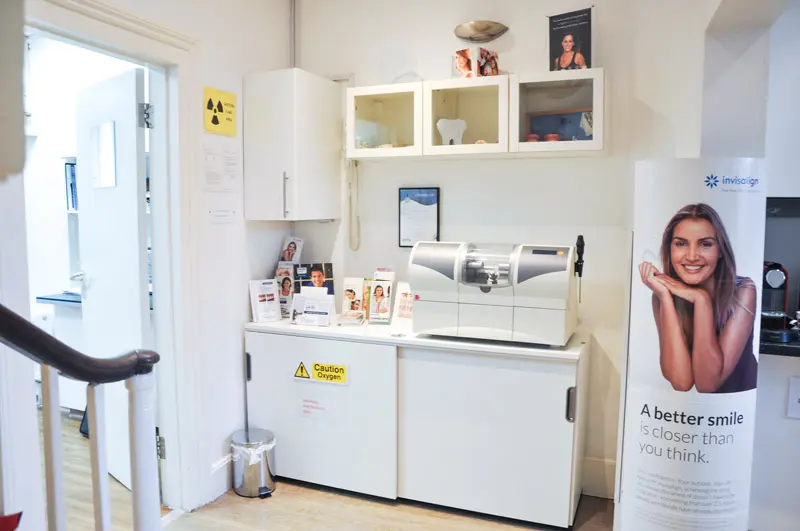
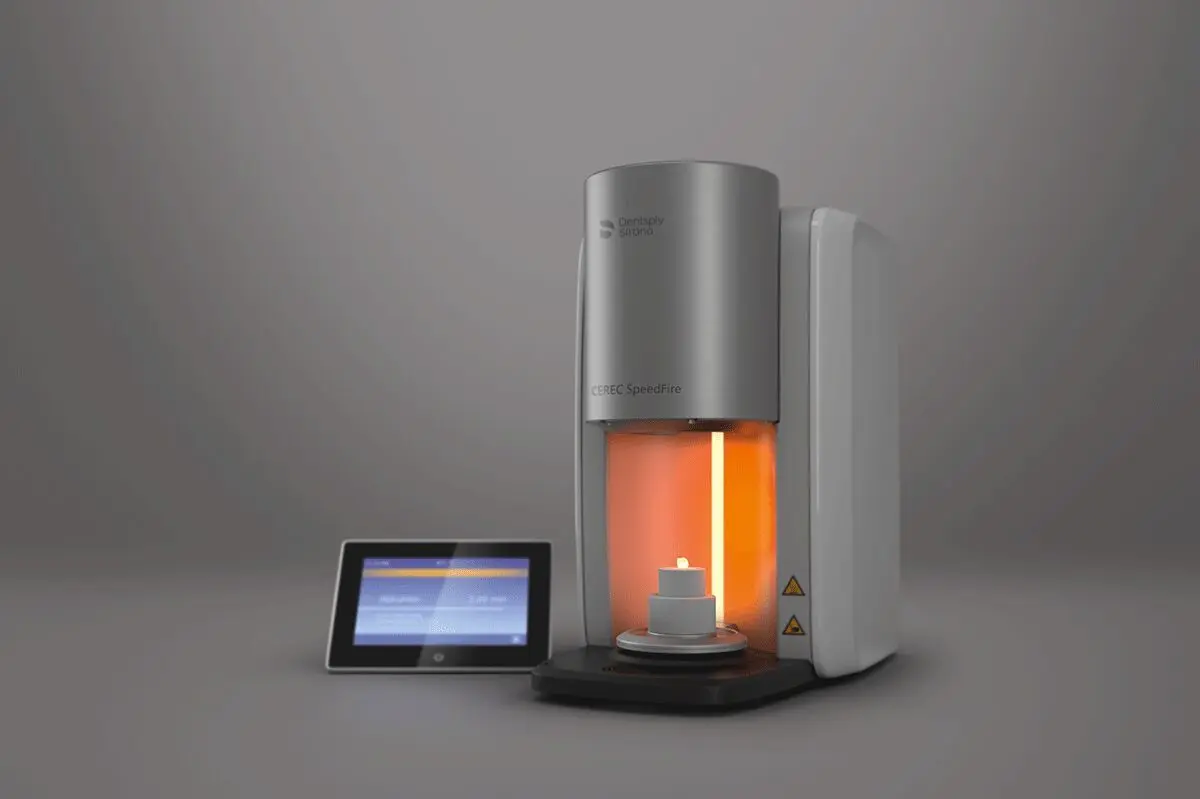
A conventional bridge is made by placing crowns on the teeth on either side of the space and then joining these crowns with a false tooth over the gap. This is usually made in a dental laboratory and then cemented into place with special adhesives. We can also make high-quality ceramic bridges using our in-house CAD/CAM technology.
A conventional bridge is strong; however, it usually requires some preparation of the neighbouring teeth. NHS hospital guidance confirms that conventional bridges involve preparing the adjacent supporting teeth.
Where the neighbouring teeth are healthy and intact, a single dental implant may be another option worth considering.
An adhesive bridge has wings that are bonded to the back of the supporting teeth with minimal drilling. These are also known as resin-retained or Maryland bridges. NHS guidance notes that adhesive bridges generally require very little, if any, tooth preparation.
Bridges are usually most suitable when the supporting teeth are strong and have good bone support. Bridges have traditionally been made from porcelain bonded to metal, while modern options can also use strong metal-free ceramic materials.
Sometimes the best way to replace a missing tooth is to utilise existing fillings in adjacent teeth. These fillings may be removed and matching ‘wings’ made and attached to the middle unit, known as the pontic, before being fitted and bonded into the spaces in the adjacent teeth.
These are made with an artificial tooth attached to a wing that can be bonded to the back of an adjacent tooth. A Maryland bridge is a minimally invasive option that may also be used as a transitional restoration while a dental implant heals.
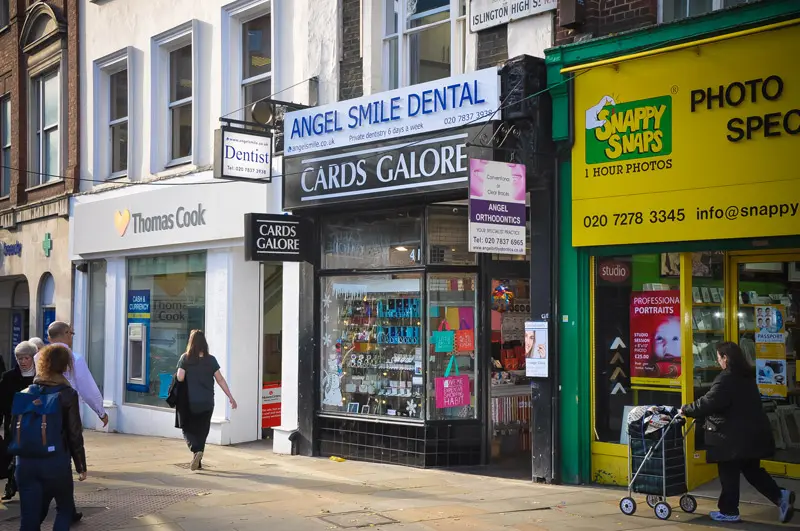
If you would like to discuss which option is most suitable, please make an appointment with Angel Smile in Islington and ask for advice. We welcome patients from across London.
We care about the protection of your data. Read our Privacy Policy.
Getting to Us
By Tube: Angel Underground station (Northern Line)
By Rail: Essex Road station is a 10-minute walk
By Bus: Routes include 30, 38, 43, 56 and 205
Web design by EyeMedia Creative | Dental Marketing by Vanilla Circus | Patients visit Angel Smile from all over London, including Angel-Islington, Hampstead, Belsize Park, Highgate, Bank, and King's Cross.